1
/
of
1
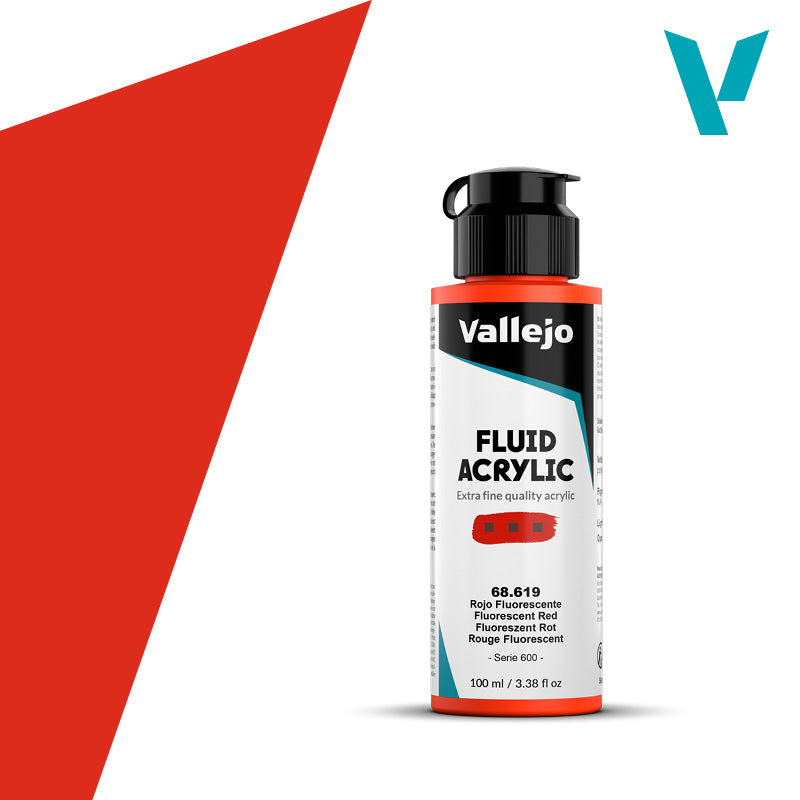
Referencia: 68619
This colour isn't sold individually
For now you can get it in these sets:
Want it on its own?
Leave us your email and we'll let you know when you can buy it individually.
Colour: Fluorescent Red
Permanentness: Poor
Opacity: Transparent
Pigment: -
Pigment description: Fluorescent Red
ASTM Lightfastness classification: V
Pigment classification: Organic
Colour Index Number: -
Viscosity range (mPa.s): 800 - 1.500
Colour Index
The pigments used are both inorganic and organic. Inorganic pigments have been used since antiquity and the great majority come from or are e ...
Permanentness: Poor
Opacity: Transparent
Pigment: -
Pigment description: Fluorescent Red
ASTM Lightfastness classification: V
Pigment classification: Organic
Colour Index Number: -
Viscosity range (mPa.s): 800 - 1.500
Colour Index
The pigments used are both inorganic and organic. Inorganic pigments have been used since antiquity and the great majority come from or are e ...
Colour: Fluorescent Red
Permanentness: Poor
Opacity: Transparent
Pigment: -
Pigment description: Fluorescent Red
ASTM Lightfastness classification: V
Pigment classification: Organic
Colour Index Number: -
Viscosity range (mPa.s): 800 - 1.500
Colour Index
The pigments used are both inorganic and organic. Inorganic pigments have been used since antiquity and the great majority come from or are extracted from minerals and clays, such as natural earths, siennas and ochres. Titanium pigments, carbon, ultramarine blue, cobalts and cadmiums also belong to this category. Many of them are currently synthesised in industrial processes. Organic pigments are more modern; they were developed at the beginning of the 20th century thanks to the new synthesis methods in Organic Chemistry. These synthetic pigments are now a very important group in the manufacture of colours for artists, producing bright and luminous tones of extraordinary intensity with excellent stability and permanence. The range of organic pigments is currently very extensive and includes azo pigments, blues, phthalocyanine greens, dioxazines, pyrroles, anthraquinones, quinacridones, etc.
Compartir
